“Agriculture is the most healthful, most useful, and most noble employment of man” – George Washington
I was recently asked by a California county fair to facilitate a strategy day this November. Assessing the annual fair and year-round activities with key staff and stakeholders, with the ultimate goal of turning the resources collected into priorities for the coming year. We even hope to dip our toes into the world of AI to challenge our outcomes.
Having been involved with many of these recap and brainstorming sessions in the past, my mind instantly went to: Why is the focus always on what didn’t work? A common title for fair meetings of this nature is “the good, the bad and the ugly.” One can see how the scale can easily tip to the negative center point. As I pondered this process and how to adjust the narrative to an upbeat, positive flow my thoughts drifted to the essence of fairs in the United States.
For centuries, agriculture fairs were the center of the annual community calendars. Many fairgrounds have internal policy or state laws directing the absolute inclusion and celebration of agriculture in the structure of the annual event. Then it dawned on me, “Plant, Grow & Harvest”. The basic life cycle of any crop. Not only does this phrase push the negative, defensive conversation away, it encourages new ideas, nurturing current successes to reach new potentials and gently harvesting what no longer serves a purpose. But couldn’t this phrase also work in the building of new ideas?
My love affair with agriculture is a subject matter that rests deep in my soul. I can romanticize the nostalgic nature of cattle grazing in a pasture or fresh produce at the local farmer’s market. But this summer I learned that at a fair the showcase of agriculture is more than educating or entertaining, it is a way to gather families, rekindle friendships and bring a community together.
Planting
This story begins in spring when the CEO of the Monterey County Fair reached out to see if I would be interested in helping her create an exhibit to celebrate the International Year of the Woman Farmer. The United Nations had designated 2026 as the International Year of the Woman Farmer (IYWF 2026), a global initiative led by the Food and Agriculture Organization to recognize and celebrate the vital contributions of women farmers. Guided by the theme, “Empowered women, transforming agrifood systems,” aiming to raise awareness, inspire action, and strengthen support for women farmers worldwide.
I immediately jumped at the opportunity. Learning her vision and timeline we developed a plan. In the early days the concept was very basic and broad. Tasking the agricultural industry of the Salinas Valley and Monterey County to nominate women who embodied the UN’s vision, create an exhibit to celebrate their stories and host a reception during the fair to recognize their achievement.
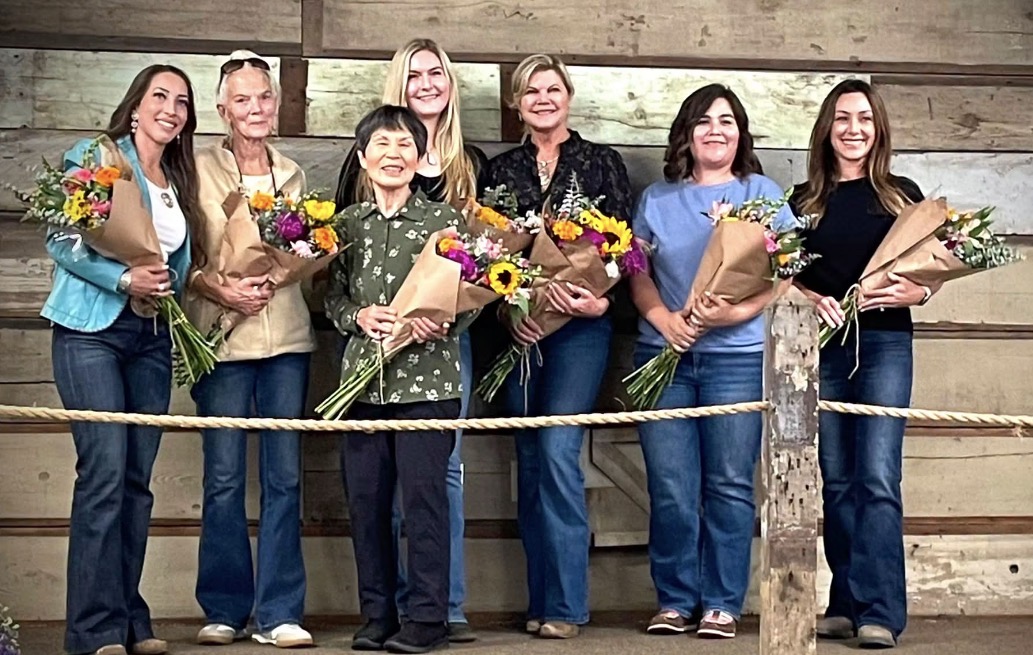
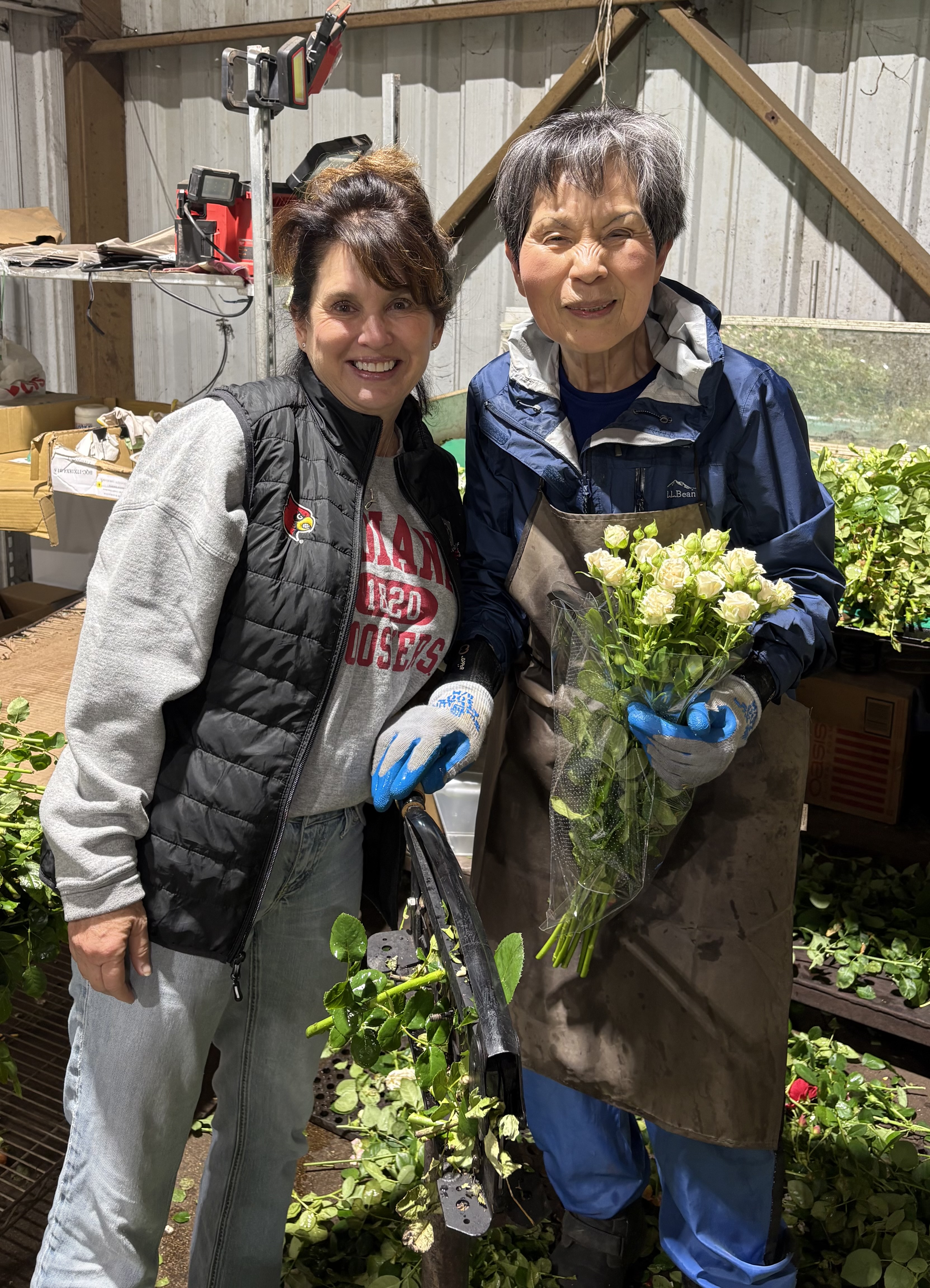
I began calling this labor of love “Lady Farmers.” After several months of nominations, the board selected nine remarkable women representing a variety of agricultural sectors throughout the region. From floriculture and produce to wine grapes and education to the cattle industry and the seed and transplant sector, each came from a unique sector of the agriculture tapestry of the area. We had two sets of mother/ daughter combinations, highlighting the generational nature of the field of agriculture. Strengthening the fact that being a farmer is more than a job; it is a way of life.
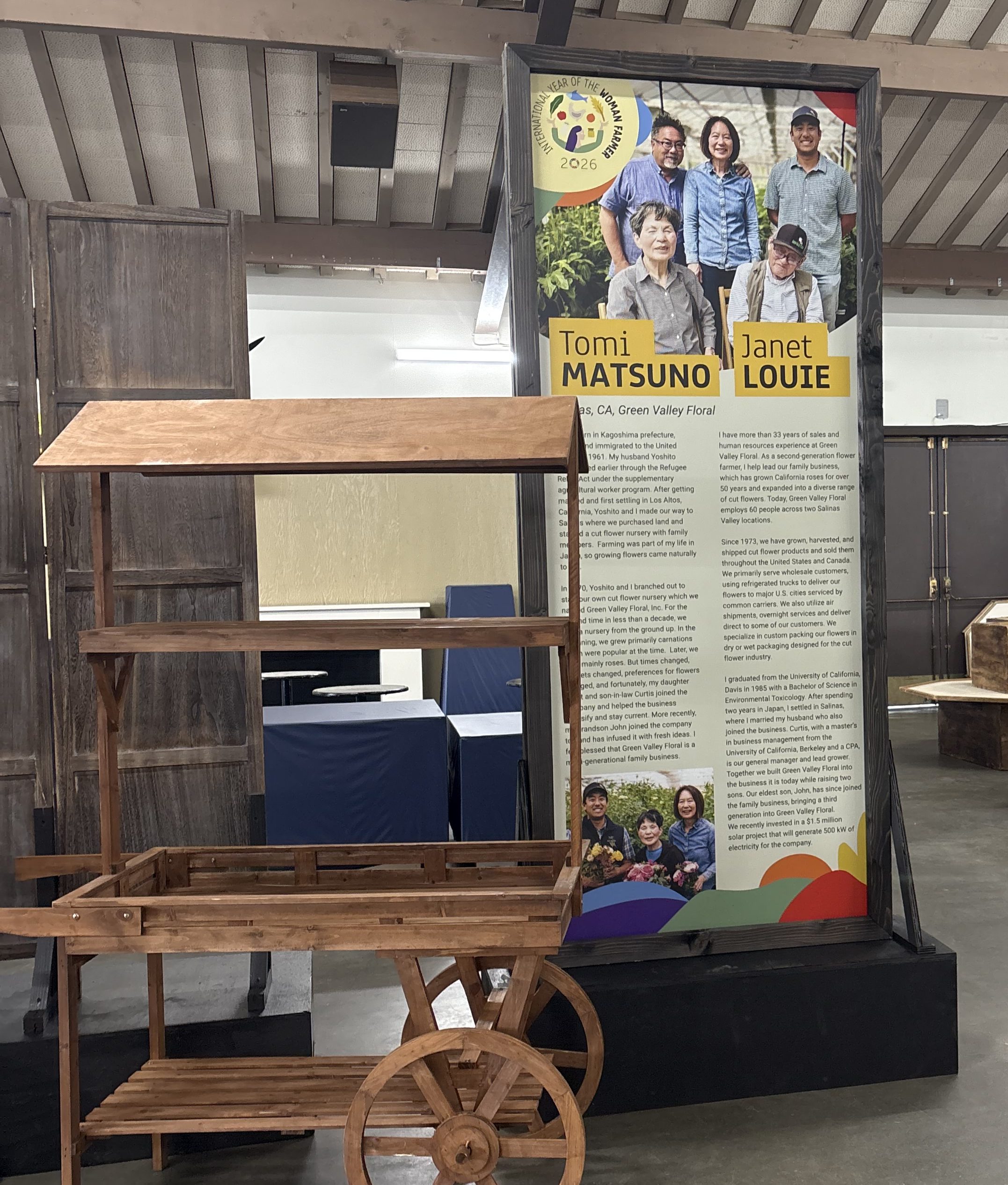
Working with a graphic artist, we started with the original source for inspiration. I have learned long ago to start at the foundation and build from the base. After researching the United Nations websites, I discovered the press kit (complete with colors, fonts and logos) of the celebration. We then asked each recipient for a simple bio and to answer the following question, “What does Agriculture mean to you?” With this information we were ready to design all signage and graphic elements.
Growing
How did we transform an empty space in an exhibit hall into the larger than life show piece? Developing the basic structure and concept was key, but the belief to allow each honoree to share their story in an individual narrative was a game changer. I “planted seeds” of concepts with each of them and allowed the outcome to materialize organically. For example, I encourage them to share clothing or tools that they used in their field of enterprise. From a full Salinas Rodeo Queen gown and hat to the boots worn in the produce field, a wide array of looks appeared and brought to life the area in a three- dimensional form. In the end we had endless amounts of fresh flowers, six trays of transplants, crates of fresh produce, photographs and countless personal touches that represented each Lady Farmer.
Did I use AI to help with the creation of the exhibit? Yes, it assisted in two instances.
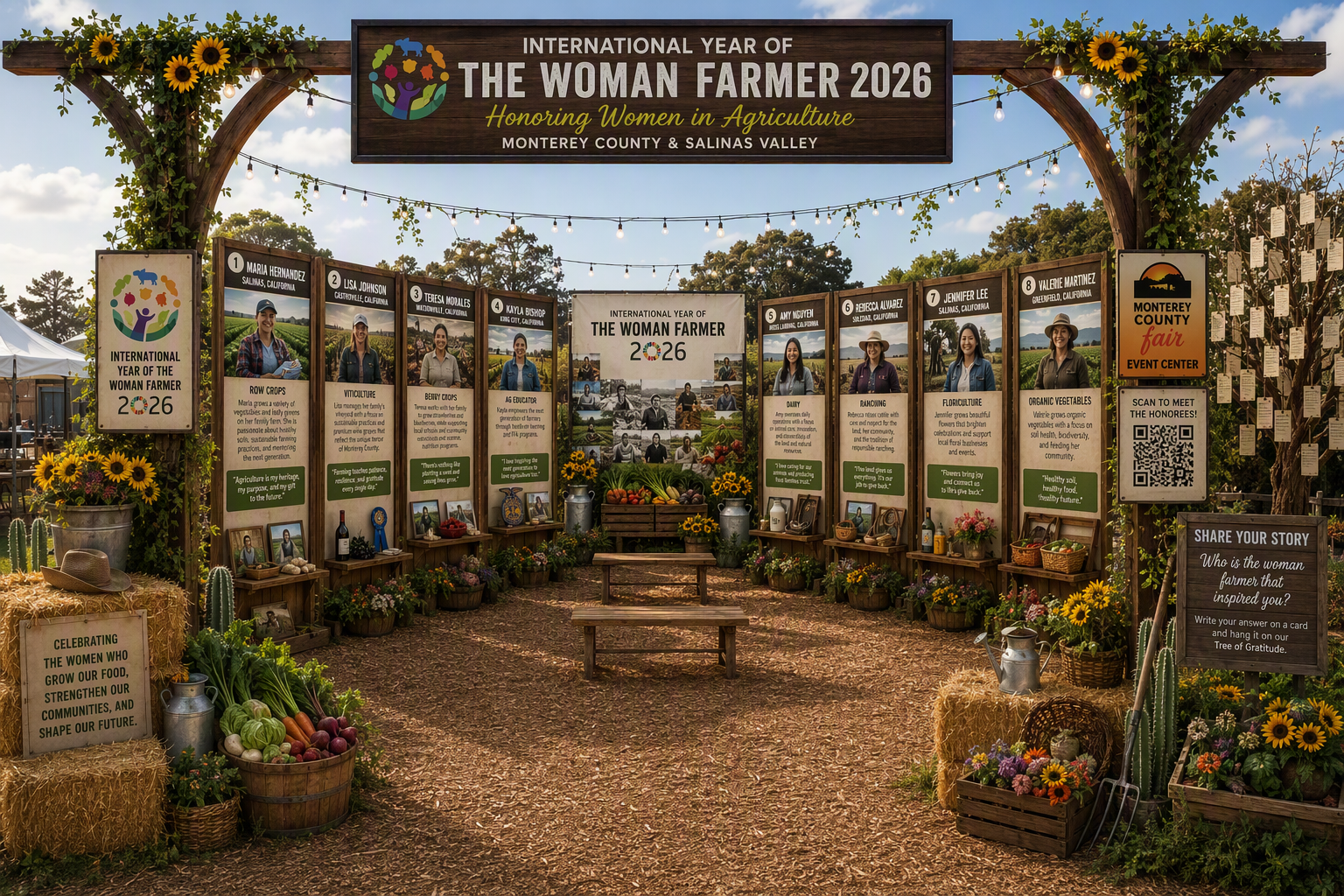
1 – The fair uses a rental company for props, staging and décor. They had a number of props we wanted to use in the finished display. Working remotely, it is sometimes hard to share the vision in your head through a phone conversation or email. Normally to convey my concept I would copy and paste ideas into a power points to share. Instead I took the photos of the props and uploaded them into an AI platform. The prompt included details about the number of honorees, the United Nations initiative, and the images taking shape in my imagination. The photo produced was not exactly what I was aiming for as a finished product, but it was conceptual enough of a working document for prop placement, size and scope of banners and details for layout.
2 – I did use AI to proof all the content submitted and gathered for the display. But one of our recipients did not have a bio to share. She instead sent me multiple emails with line items of achievements. Using an AI platform, I submitted all her copy, links to the website that highlighted her current occupation and wrote a prompt outlining the scope of the write up. This one step saved me hours of work.
Harvest
Not only did the finish product exceed our expectations with look and feel, but generated news stories and countless of social media posts. Over my career I have had the good fortune to dream-up, develop and create countless featured programs. This experience was different. Visiting with the Lady Farmers during the research phase, they were excited, appreciative and beyond grateful to be included in the program. The people involved, be it the graphic artist or the honorees gave the exhibit a heart and a soul.
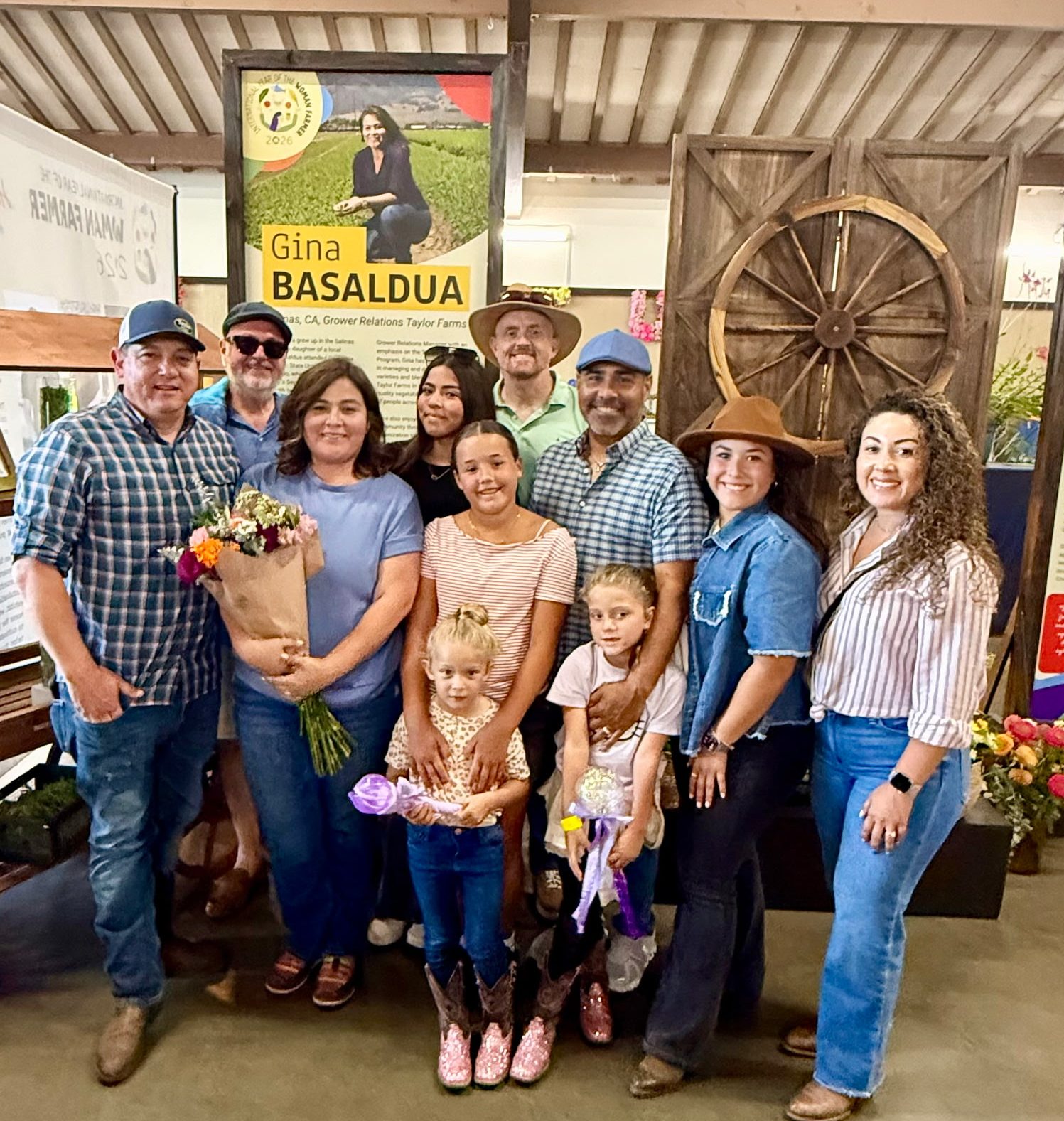
What started as an agricultural exhibit quietly turned into a beacon that brought the community together. Watching the Lady Farmers interact on site, share stories, taking photos with their family and friends, and celebrate one another reinforced that this was more than an exhibit. It was a celebration of community, family, and the enduring role agriculture plays in connecting us all.
“The ultimate goal of farming is not the growing of crops, but the cultivation and perfection of human beings.” — Masanobu Fukuoka
Sharing Copy From the Entrance of the Display
The Monterey County Fair joins the global celebration and is proud to honor nine remarkable women whose leadership, innovation, and dedication reflect the countless women who form the rich agricultural tapestry of Monterey County and the Salinas Valley. While representing diverse backgrounds and roles across the industry, these honorees symbolize the immeasurable contributions of women who help sustain one of the world’s most productive agricultural regions.
Women farmers and agricultural professionals are essential to food production, rural communities, economic prosperity, and sustainable agrifood systems. Through this exhibit, we celebrate their contributions and honor the generations of women who continue to cultivate, innovate, and inspire. Their passion helps shape the agricultural heritage and future of Monterey County and the Salinas Valley.


Leave a comment